


In a world increasingly driven by consumerism, our homes often become reflections of material desires rather than personal tastes. This article explores how to overcome the allure of superficial aesthetics in home design, prioritizing meaningful and sustainable choices that foster genuine comfort and connection. Discover how to transform your space into a sanctuary of authenticity.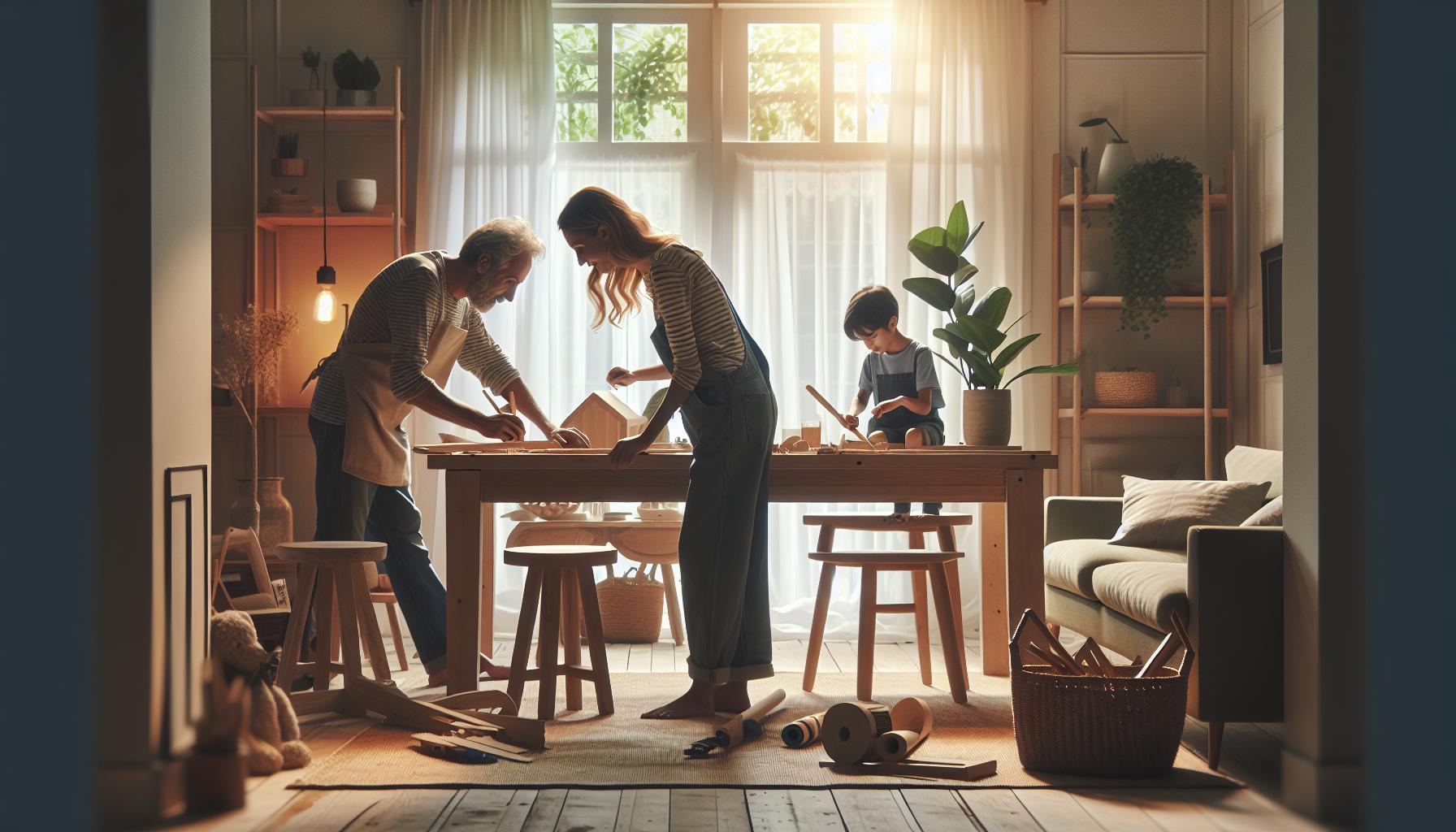
Understanding the Allure of Material Desires in Home Design
The psychological connection between our environment and our feelings cannot be overstated; the spaces we inhabit reflect our innermost desires and aspirations. It’s no surprise that many homeowners are ensnared by material desires, captivated by gorgeous designs and luxurious elements that evoke a sense of status and comfort. This dichotomy of wanting to create a beautiful space while resisting the pull of sheer indulgence presents a unique challenge, inviting us to explore not just the aesthetic, but the emotional motives behind our home design.
An impulse-driven approach to home design can lead to decisions that may not align with one’s values or long-term goals. Influenced by social media trends, magazine spreads, and the lust of the eyes, many may find themselves gravitating towards extravagant purchases that promise to elevate their living spaces but can leave them feeling unsatisfied shortly after. Recognizing this pattern is the first step to curbing material desires. Here are some strategies to strike a balance:
- Establish a Design Philosophy: Crafting a personal design philosophy based on your priorities can serve as a guiding compass. Consider what aspects of home design resonate with you. Are you more inclined towards sustainability, functionality, or artistry?
- Invest in Meaningful Pieces: Choose furniture and decor items that tell your story or hold significance, rather than chasing trends. For instance, select a piece of artwork from a local artist whose journey you admire, serving both as a stunning focal point and a meaningful conversation starter.
- Curate Over Accumulate: Adopt a minimalist mindset to focus on quality over quantity. By paring down, you can celebrate each item within your space, ensuring all elements harmoniously contribute to your desired ambiance.
Comprehending the Emotional Triggers
Understanding the emotional triggers behind material desires can help individuals make better choices in their home design journey. It’s vital to assess what drives these wants-be it societal pressure, a desire to impress others, or a quest for comfort. Acknowledging these emotions can be liberating and guide homeowners toward making decisions that reinforce their values, rather than succumbing to external influences.
Real-World Examples of Grounding Material Desires
Some homeowners have successfully navigated the complexities of material desire by utilizing practical strategies. For instance, one couple transformed their living space by focusing on sustainable materials, consciously choosing ethically sourced wood and eco-friendly paint. This not only elevated their home’s visual appeal but also reinforced their commitment to environmental responsibility, turning material desire into a catalyst for meaningful change.
| Strategy | Description |
|---|---|
| Design Philosophy | A clear set of values guiding design choices. |
| Meaningful Pieces | Choosing items that tell a personal story. |
| Curation | Focusing on a select few quality items instead of many. |
By cultivating a sound understanding of the allure behind material desires in home design, individuals can transform their approach from one driven by superficial allure to a more intentional, fulfilling journey. This shift not only enhances their living spaces but also deepens their connection to the homes they create, ensuring that each element serves a purpose beyond just its visual appeal.
The Psychology Behind Our Home Aesthetics Choices
In the realm of home aesthetics, our choices often reflect deeper psychological motivations that intertwine with our emotions and desires. Understanding the factors that drive us in selecting decor and design elements can illuminate how we navigate the fine line between appreciation for beauty and succumbing to the *lust of the eyes*. A study of material desires reveals that our living spaces serve not only practical purposes but also emotional and psychological ones.
The interplay between aesthetics and psychology suggests that our selections are influenced by a craving for comfort, status, and self-expression. For example, when one chooses to adorn their home with lavish furnishings or trendy items, it may stem from a desire to project an image of success or to create an atmosphere that fosters personal happiness. Here are some key elements that shape these choices:
- Emotional Connections: Certain design elements can evoke memories or feelings of nostalgia. A vintage piece might remind one of family gatherings, enhancing its desirability.
- Social Influence: Observing the homes of others can lead to a desire for similar aesthetics, driving the urge to replicate what appears appealing.
- Status Symbolism: High-end items or uniquely designed pieces often indicate social status, prompting individuals to choose aesthetics that signal achievement.
Furthermore, in the quest to overcome the material desires hinted at in “Lust of the Eyes Examples: Overcoming Material Desires in Home Design,” it is crucial to cultivate a mindful approach. Individuals can achieve this by focusing on practicality, functionality, and emotional resonance rather than merely visual allure.
Practical Steps to Align Home Design with Personal Values
To enhance your living space without falling prey to fleeting trends, consider these actionable strategies:
| Step | Description |
|---|---|
| Assess Needs | Determine the purpose of each space and what elements will truly serve your lifestyle. |
| Embrace Authenticity | Choose items that reflect your personality rather than popular trends. |
| Invest in Quality | Opt for fewer high-quality pieces that last, rather than numerous low-cost items. |
| Prioritize Functionality | Ensure that each design choice adds value to your day-to-day life. |
By consciously reflecting on our choices, we can create spaces that genuinely resonate with our values and mitigate the superficial allure that often accompanies home design. This introspection fosters a more meaningful relationship with our environments, ultimately leading to a more fulfilling home aesthetic that transcends mere visual appeal.
Practical Strategies to Resist Temptations in Home Decor
In a world saturated with dazzling decor options, it’s easy to be lured into purchasing items that momentarily catch our attention but fail to serve our long-term design goals. To navigate this landscape effectively, it’s essential to develop practical strategies that help resist the temptations of fleeting aesthetic desires. Embracing a mindful approach towards home decor not only fosters financial prudence but also cultivates a space that reflects your true style and values.
Evaluate Your Needs and Goals
Before indulging in a shopping spree, take a moment to assess your current home decor. Conduct a thorough evaluation of what you truly need versus what merely appeals to your senses. Creating a wishlist can be a valuable exercise; jot down items you genuinely require to enhance your space. Consider the functionality, durability, and timelessness of these pieces. This practical approach encourages focused shopping, steering you away from impulse buys driven by the “lust of the eyes.”
Create a Budget and Stick to It
Establishing a budget is crucial in curbing material desires. Set aside specific amounts for different decor categories such as furniture, accessories, or art. Breaking down your budget into smaller allocations can give you a clearer perspective and reduce the likelihood of overspending. Use tools like spreadsheets or budgeting apps to monitor your purchases, ensuring that you stay within your predetermined limits. When the allure of an attractive vase or an extravagant wall art catches your eye, refer back to your budget-it will serve as a reminder of your commitment to mindful spending.
Prioritize Quality Over Quantity
When it comes to home decor, quality often surpasses the allure of a vast collection of items. Invest in fewer, high-quality pieces that resonate with your personal style and serve a purpose in your home. This mindset shift not only alleviates clutter but also imparts a sense of luxury and thoughtful curation to your space. For example, instead of purchasing multiple decorative items that are trendy but may not last, choose a stunning ceramic vase, such as the Mercury Row® Modern Stoneware Ceramic Vase, that serves as a striking focal point-an item that adds artistic flair while being durable and elegant.
Implement the 24-Hour Rule
To combat impulse buys effectively, practice the 24-hour rule. When you encounter an item that tempts you, give yourself a full day to think it over. During this time, reflect on whether the item aligns with your needs and decor goals. Often, the initial excitement will wane, and you may find that the urge to purchase dissipates. This simple but effective strategy allows space for rational decision-making and helps circumvent the emotional triggers that fuel material desires in home design.
By integrating these practical strategies into your home decor approach, you can navigate the challenges of “Lust of the Eyes Examples” with confidence, ultimately cultivating a space that is both aesthetically pleasing and reflective of your genuine style.
Embracing Minimalism: Creating Beauty without Clutter
In a world saturated with distractions and material excess, the allure of minimalism has emerged as a beacon of clarity and beauty. Reducing clutter not only enhances visual appeal but also nurtures mental well-being, allowing us to focus on what truly matters. By employing principles from the discussion in ‘Lust of the Eyes Examples: Overcoming Material Desires in Home Design,’ you can create spaces that resonate with elegance and tranquility, transforming your home into a sanctuary of serenity.
Core Principles of Minimalism
Adopting a minimalist approach involves intentionality and a commitment to aesthetics without the encumbrance of excess. Here are key principles to guide your design choices:
- Functional Beauty: Choose pieces that serve a purpose and look good doing it. Every item should contribute to the overall harmony of the space.
- Neutral Palette: Stick to muted tones interspersed with a few striking accents; this creates a cohesive look that feels calm and inviting.
- Open Spaces: Use furniture arrangements and designs that promote flow and openness. Avoid overcrowding rooms by choosing fewer, larger pieces instead of many small items.
- Natural Materials: Incorporate wood, stone, and metal to evoke a connection with nature, adding warmth and texture without overwhelming the senses.
Practical Steps to Achieve Minimalism
Creating a clutter-free environment can be an invigorating process. Here’s how you can start:
| Step | Description |
|---|---|
| 1. Audit Your Space | Evaluate every room by removing items that don’t serve a purpose or bring joy. This is essential in your journey to overcome material desires. |
| 2. Prioritize Quality Over Quantity | Invest in a few high-quality items that you genuinely love rather than filling your home with numerous low-quality objects. |
| 3. Organize Thoughtfully | Use storage solutions that are not only practical but also visually appealing. Keep seldom-used items out of sight while showcasing cherished possessions. |
| 4. Layer with Texture | Add depth to your minimalist space by incorporating varying textures-through rugs, cushions, or artwork-to prevent the environment from feeling stark. |
The beauty of minimalism lies not just in how it looks but also in how it feels. By embracing simplicity and purposefulness, you craft an environment that transcends fleeting trends. This mindful approach enables you to inspire oneself and others, turning your home into a testament against the ‘Lust of the Eyes Examples: Overcoming Material Desires in Home Design.’ With every thoughtful design choice, create a haven that reflects your values and priorities, and lets authentic beauty shine through.
Curating Meaningful Spaces: Focusing on Personal Value Over Trends
Creating a home that truly reflects who you are often requires looking beyond trendy designs and temporary fads. While it’s tempting to fill your living space with the latest must-haves featured in glossy magazines, true satisfaction comes from curating an environment rich in personal significance and meaning. Home is where our stories unfold, and by focusing on elements that resonate deeply with us, we can transform mundane spaces into profound sanctuaries.
Prioritize Personal Connections
To begin curating a meaningful space, identify items that evoke memories or emotions. Whether it’s a painting from a beloved artist or a family heirloom, focus on incorporating pieces that hold sentimental value. Here are some suggestions for selecting these items:
- Art and Decor: Choose artwork that inspires you or reflects your personal journey. This might include pieces created by friends or family, or even photographs that capture significant moments in your life.
- Furniture with History: Antique or vintage pieces can bring character and charm to your home. These items often carry stories that connect you to your past.
- DIY Projects: Create custom decor by reimagining everyday items. This not only adds a personal touch but also allows you to express your creativity.
Specify Functionality Over Fad
Designing with intention means considering how each item will enhance daily life rather than simply its aesthetic appeal. Ask yourself which pieces serve a dual purpose-offering both beauty and utility. For instance, a handcrafted coffee table can act as a timeless centerpiece while providing storage for books and games. Inessentials can quickly clutter a space, detracting from the overall harmony you aim to achieve.
| Functionality | Example Item | Personal Value |
|---|---|---|
| Seating | Vintage chairs | Passed down from grandmother |
| Storage | Old trunk | Holds childhood memories and photos |
| Display | Personalized frame | Houses favorite vacation pictures |
By weaving together functionality and personal value, you not only cultivate a harmonious living environment but also minimize the noise of fleeting trends. This thoughtful curation reflects your unique identity, helping you craft a true reflection of your life’s experiences and aspirations. Ultimately, it allows you to rise above the lust of the eyes examples often seen in contemporary home design and embrace a living space that is authentically yours.
Sustainable Design: Finding Beauty in Eco-Friendly Choices
In the quest for beauty, many people overlook the profound impact that our choices have on the environment. Sustainable design addresses this by marrying aesthetic value with eco-conscious practices, leading to spaces that not only delight the eye but also contribute positively to our planet. Instead of succumbing to the fleeting allure of fast fashion and trendy decor, embracing sustainable aesthetics allows us to express individuality while being mindful of our ecological footprint.
One significant aspect of sustainable design is the use of renewable materials. For instance, bamboo furniture is a popular alternative that offers a sleek look while being one of the fastest-growing plants on Earth. Its rapid growth reduces deforestation and encourages a positive environmental impact. Additionally, reclaimed wood is making waves in interior decor, providing unique character to spaces and highlighting the beauty of history. Instead of settling for mass-produced items, opting for artisanal pieces made from reclaimed materials can cultivate a home filled with stories and individuality.
Beyond materials, incorporating biophilic design principles can elevate our living spaces. This approach invites nature indoors, fostering a harmonious connection between the built environment and the natural world. Simple changes, such as adding indoor plants or employing natural light through larger windows, can create a refreshing atmosphere that is both soothing and visually striking. Connecting with nature not only enhances aesthetics but also contributes to our overall well-being, reducing stress and improving air quality.
Finally, as we navigate the landscape of eco-friendliness, it’s essential to consider how our design choices inform and inspire those around us. Hosting gatherings centered around sustainable living or sharing ideas about eco-friendly home design can ignite a community-wide shift toward more responsible consumption. By showcasing the beauty in eco-conscious choices, we can redefine our collective values and overcome the allure of material desires-creating a future where beauty and sustainability go hand in hand.
Budgeting Wisely: Making Thoughtful Investments in Your Home
When investing in your home, the allure of visually stunning designs can often cloud your judgment, leading to impulsive spending based on fleeting desires rather than lasting value. Understanding how to budget wisely while navigating these temptations is essential for creating a living space that not only looks appealing but also meets your practical needs and financial goals.
Prioritize Essential Upgrades
Before falling for the latest trends that fall under the “lust of the eyes” category, it’s crucial to assess which areas of your home truly need attention. Investing in quality renovations or updates can lead to greater satisfaction and long-term value. Consider focusing on these essential upgrades:
- Kitchen and Bathroom Remodels: These spaces often yield the highest return on investment. Focus on functionality while choosing materials that complement each other without overwhelming your senses.
- Energy Efficiency Improvements: Invest in windows, insulation, and appliances that improve energy efficiency. These not only reduce utility costs but can also boost your home’s resale value.
- Structural Repairs: Prioritize fixing roof leaks, plumbing issues, or foundational problems. These are critical investments that save you from larger expenses down the road.
Set a Realistic Budget
Creating a detailed budget allows you to identify what you can comfortably spend without succumbing to the emotional pull of unnecessary upgrades. Start by outlining all potential expenses:
| Item | Estimated Cost | Priority Level (1-3) |
|---|---|---|
| Kitchen renovation | $20,000 | 1 |
| Bathroom remodel | $15,000 | 1 |
| Energy-efficient windows | $10,000 | 2 |
| Landscape upgrades | $5,000 | 3 |
Monitor your expenses against this budget and adjust as necessary, ensuring your financial commitments align with your true desires and needs in the home. Staying grounded in practicality will help you overcome the “lust of the eyes,” allowing room for thoughtful investments that enrich your living space without leading to regretful purchases.
Tips for Infusing Personality into Your Space Without Overindulgence
Creating a living space that reflects your individuality is an art form that balances self-expression with mindful choices. Instead of overwhelming your environment with excessive decor that can lead to a sense of visual clutter-akin to the pitfalls discussed in “Lust of the Eyes Examples: Overcoming Material Desires in Home Design”-focus on understated additions that speak to your personality. Here are clever ways to infuse character into your home without succumbing to the excesses that can detract from your design vision.
Curate Thoughtfully
Start with a curated selection of items that tell your story. This could include:
- Artwork: Select pieces that resonate with your interests or experiences. Consider local artists whose work reflects your community.
- Books: Display books that not only provide joy but also spark conversation.
- Travel Souvenirs: Showcase mementos from your travels, but limit yourself to one or two impactful pieces per area to maintain focus.
Remember, it’s not about how many items you have, but how thoughtfully you’ve chosen them. This approach aligns perfectly with recognizing the “lust of the eyes” phenomenon by ensuring that each piece serves a purpose beyond mere decoration.
Color with Intention
The color palette you choose can dramatically alter the mood and personality of your space. Rather than flooding your walls with vibrant hues that can overwhelm, consider mixing neutral tones with strategic splashes of color. Use the following tactics to achieve a harmonious design:
- Accent Walls: Create a focal point with an accent wall that embodies your style via bold paint or wallpaper, but keep the surrounding areas neutral.
- Textiles: Incorporate colorful throw pillows, blankets, or rugs that add warmth without drowning the space in color.
- Accessories: Limited decor items in lively colors placed thoughtfully can keep the eye engaged while retaining balance.
This mindful approach allows your space to remain inviting and vibrant without succumbing to chaotic aesthetics.
Embrace Minimalism with Meaning
Embody the philosophy of minimalism by ensuring each item’s presence is felt without being overbearing. Consider the following strategies:
- Select Multi-Functional Furniture: Opt for pieces that provide functionality while adding flair, such as a stylish ottoman that doubles as storage.
- Natural Elements: Incorporate plants or natural materials that bring life and texture into your space without excessive ornamentation.
- Unique Focal Point: Choose one remarkable item-a vintage chair or a striking sculpture-as a conversation starter that draws the eye without overcrowding.
By following these tips, you can successfully cultivate a space that celebrates your individuality while steering clear of the material excesses that can detract from your home’s essence, reflecting a commitment to authenticity and thoughtful design.
Q&A
What is the ‘Lust of the Eyes Examples: Overcoming Material Desires in Home Design’?
The ‘Lust of the Eyes’ refers to an overwhelming desire to acquire visually appealing items. In home design, overcoming this desire means making intentional choices that prioritize functionality and personal values over mere aesthetics.
Understanding the lust of the eyes in home design can help curb impulsive purchases and lead to more meaningful decor choices. By focusing on what truly resonates with you, you can create a home that reflects your personality, rather than fleeting trends.
How can I identify ‘Lust of the Eyes Examples’ in my home?
Identifying ‘Lust of the Eyes Examples’ involves recognizing items that draw your attention but don’t serve a genuine purpose. Look for pieces that you may want simply for their visual appeal, rather than their functionality.
Consider assessing your current decor and asking yourself which items truly enhance your living space. This awareness paves the way for a more thoughtful approach to home design, allowing you to prioritize pieces that bring lasting joy.
Why does overcoming material desires matter in home design?
Overcoming material desires fosters a more sustainable and personalized home environment. It helps you make choices that reflect your values, ultimately leading to a more fulfilling living space.
By focusing on what is essential and meaningful rather than trendy, you can create a home that is not only beautiful but also resonates with your lifestyle and aspirations.
Can I use the ‘Lust of the Eyes’ to enhance my home design?
Yes, you can channel the ‘Lust of the Eyes’ positively by selecting items that are both attractive and functional. This combination enhances your space while aligning with your values.
For example, invest in high-quality, visually appealing furniture that meets your practical needs. This approach not only beautifies your home but also ensures your purchases are meaningful and lasting.
What are practical tips for overcoming ‘Lust of the Eyes’ in home decor?
Practical tips include setting a budget, resisting impulse buys, and evaluating items based on their long-term value and functionality.
Additionally, consider curating your space with items that evoke positive emotions or memories. This ensures that your home reflects your unique story rather than a collection of trendy decor.
Are there resources to help with ‘Lust of the Eyes Examples: Overcoming Material Desires in Home Design’?
Yes, numerous resources such as books and websites focus on minimalist living and intentional design choices to help you overcome material desires.
These resources can guide you in creating a home that prioritizes quality over quantity, ensuring your space is both functional and aesthetically pleasing. You can also explore sustainable home design for more insights.
How does the ‘Lust of the Eyes’ relate to environmental impact?
The ‘Lust of the Eyes’ often leads to overconsumption, which negatively impacts the environment. By overcoming material desires, you can contribute to a more sustainable lifestyle.
Choosing fewer, but more meaningful items reduces waste and promotes sustainability. Every intentional choice you make can lead to a positive environmental impact, helping to preserve resources for future generations.
Insights and Conclusions
In conclusion, understanding the “Lust of the Eyes” not only illuminates our material desires but also empowers us to design our homes with intention and purpose. By recognizing how visual temptations can lead us to overindulgence, we can focus on creating spaces that reflect our true needs and values. Remember, home design is not just about decoration; it’s about crafting a sanctuary that nurtures our well-being. We encourage you to explore practical steps-like prioritizing quality over quantity and embracing mindful aesthetics-that can help you overcome these desires. Dive deeper into these concepts, engage with the resources provided, and take actionable steps toward cultivating a home that resonates with your genuine self. Your journey towards a purposeful and beautiful space begins now!


